Exin Therapeutics, a San Francisco startup that builds AI systems for neurology drug discovery, says an AI agent running on Claude Sonnet 5 chose a gene therapy and guided its injection into the brain of a live mouse. Cofounder and CEO Gabriel Ocana-Santero, a PhD student at the University of Oxford, described the experiment in a post on October 30, 2026, which The Decoder and TokenPost reported the same week. (The Decoder (opens in a new tab); TokenPost (opens in a new tab))
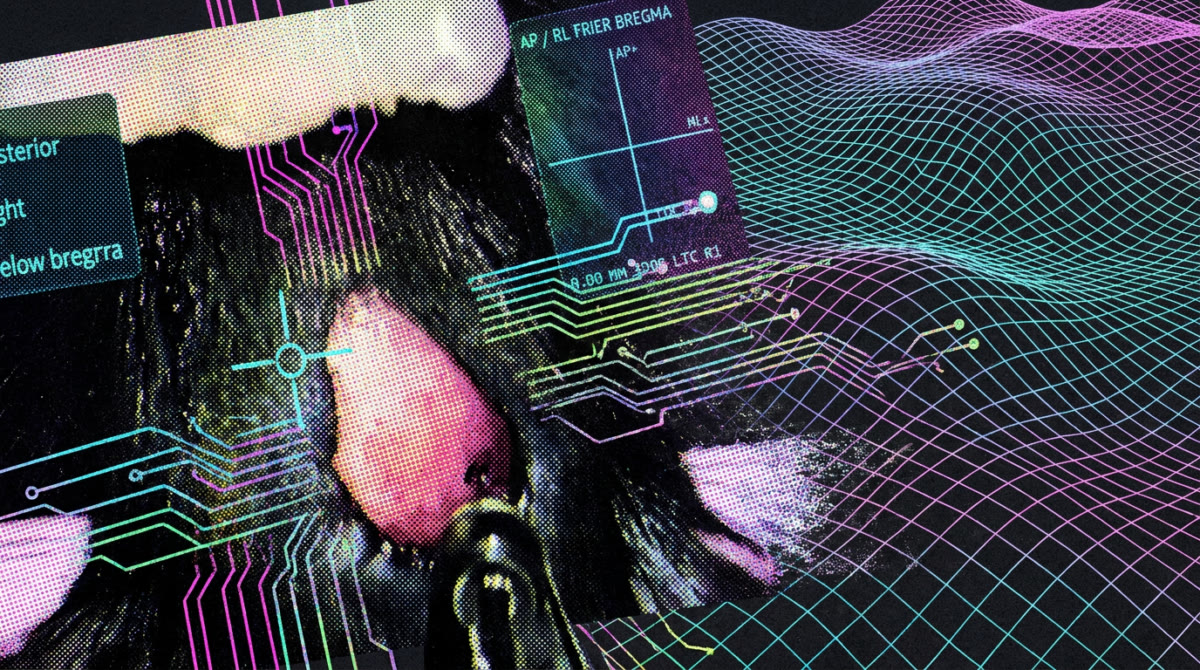
According to The Decoder, the agent received three things: a list of 19 possible gene therapies, a mouse model of epilepsy and a custom motorized surgical device with cameras, a microscope and a syringe. Its only instruction was to reduce the mouse's seizures. (The Decoder (opens in a new tab))
What the model decided
The model first analyzed how seizures arise in this mouse model and then proposed a therapy that strengthens an inhibitory signaling pathway. Startup Fortune, citing reporting by WIRED, said the chosen therapy was designed to boost GABA, a neurotransmitter that dampens overactive neural firing. (The Decoder (opens in a new tab); Startup Fortune (opens in a new tab))
For the target, the model picked a brain structure that published research links to the origin of this seizure type, which TokenPost and Startup Fortune identified as the entorhinal cortex. The Decoder reported that it rejected a second candidate region because its effects were unreliable and it had failed in one study against the same kind of seizure. (The Decoder (opens in a new tab); TokenPost (opens in a new tab); Startup Fortune (opens in a new tab))
The agent then derived stereotactic injection coordinates from three papers, cross checked reference points and averaged the values. It set the injection volume, speed and wait times, and during the procedure it watched the surgical field through a camera, made 32 observations and reported whether it could see bleeding or backflow. (The Decoder (opens in a new tab))
Refusals and safeguards
Sonnet 5 was not the first model Exin tried. The Decoder reported that Claude Opus 5.5 and Claude Opus 5 both declined to carry out the live procedure. Opus 5 said it could not guarantee it would finish, reasoning that stopping partway with a needle in an anesthetized animal's brain would be worse than never starting. (The Decoder (opens in a new tab); Startup Fortune (opens in a new tab))
Humans kept control over the riskiest moments. A licensed veterinarian approved every irreversible step, a physical emergency stop could cut power to all motors at once, and fixed limits such as a cap on injection volume could not be overridden by the agent. Startup Fortune added that the agent had no access to the code that set the rig's operating rules. (The Decoder (opens in a new tab); Startup Fortune (opens in a new tab))
At one point a connection dropped, and the agent concluded that its calculated target was outside the device's physical range of motion. It refused to continue through repeated recalibration attempts. According to The Decoder, the agent was correct, because manual adjustments made during an earlier pause had thrown off the control system, and Ocana-Santero fixed the code by hand. He called it a frustrating experience that also showed how much people can come to depend on these models. (The Decoder (opens in a new tab))
Three models, three targets
TokenPost reported that Exin ran the same setup with three models, one mouse each. Claude Sonnet 5 chose the entorhinal cortex, GPT-6.1 Sol chose the hippocampus and Grok 4.7 chose the somatosensory cortex, and the models proposed different therapies. Asked which performed better, Ocana-Santero said it was too early to say. (TokenPost (opens in a new tab))
The mice are recovering, according to Ocana-Santero, and their behavior and brain activity will be monitored over the coming weeks. No seizure outcomes have been reported, the work has not been peer reviewed, and a technical report is expected. Ocana-Santero said he is not aware of an earlier case of an agent choosing both a treatment and a brain target and then delivering it into a living mammal. (The Decoder (opens in a new tab); TokenPost (opens in a new tab); Startup Fortune (opens in a new tab))
In NeuraFeed's reading, the notable part is not the robotics, since automated surgical rigs already exist, but the decision making. A model chose the treatment and the target, two steps that a human scientist normally owns, while people kept a veto over every step that could not be undone. The refusals from both Opus models and the mid procedure stop by Sonnet show these systems also making judgment calls about when not to act.